
The local pack is the map and three business listings Google shows above the normal results for local searches. Here is what gets you in.
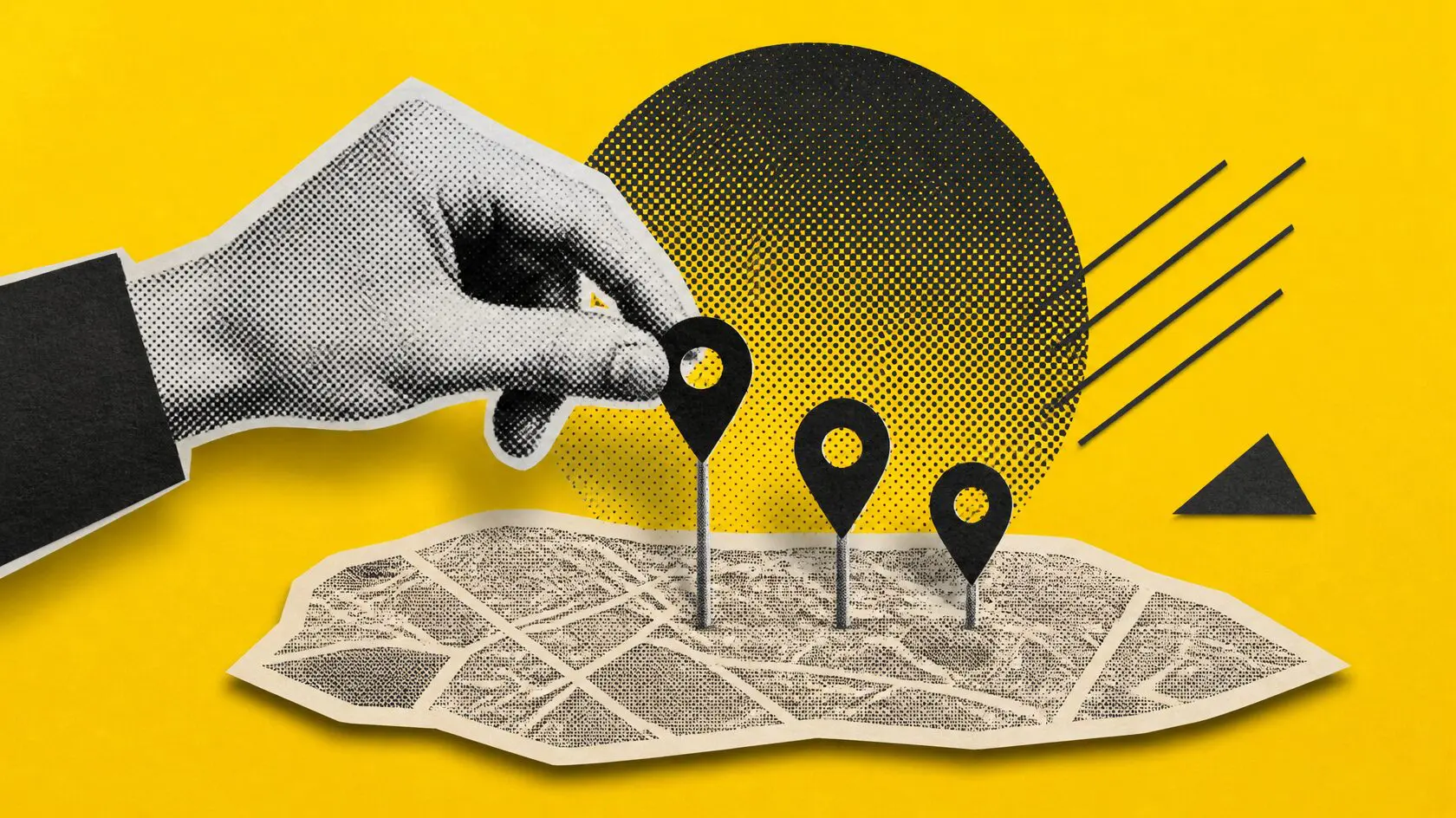
The local pack is a block of three business listings with a map that Google shows near the top of local search results. Search “plumber near me” or “dentist Manchester” and it’s the first thing you see, sitting above the ordinary blue links.
For any business with a physical location or a service area, it is usually the most valuable spot on the page.
Why it matters more than position one
The pack takes the space that organic result one used to occupy, and on a phone it can fill the entire first screen. That means the site ranking first organically may be below the fold while three competitors sit above it.
The intent behind those searches is also unusually strong. Someone searching for a local service with their phone in their hand is often minutes away from ringing someone. Pack listings carry a call button and directions, so they convert without the person ever visiting a website.
What Google uses to pick the three
Google names three factors: relevance, distance and prominence.
Relevance is how well your Business Profile matches what was searched, which comes down to your primary category, your services and the words on your site. Distance is how close you are to the searcher, or to the place named in the query. Prominence is how well known your business appears to be, based on reviews, links, citations and overall web presence.
Distance is the one you cannot change, and it’s why pack results shift as someone walks down the street. Two people searching the same term a mile apart see different businesses.
What actually moves you up
- Your primary category. The setting that moves the needle most in a Business Profile. Choosing “dental clinic” instead of “dentist” can change which searches you appear for entirely.
- Review volume and recency. A steady stream beats a burst. Thirty reviews spread over a year outperform sixty collected in a fortnight two years ago.
- Consistent NAP data. Your name, address, and phone number match across your site, your profile, and the main directories.
- Location-relevant pages. Real pages about the work you do in the places you do it, not a hundred templated pages with the town name swapped out.
- Proximity to the searcher. Nothing to be done about this beyond being honest about your realistic catchment.
Setting expectations on radius
A business in a suburb will rarely rank in the pack for searches made in the city centre, no matter what it does. That isn’t an SEO failure; it’s distance doing its job. The useful goal is to dominate the area you can actually serve quickly, then use organic listings and paid to reach further out.
If you are competing across several towns, our search team maps where you currently show in the pack by postcode before recommending anything.
Common questions
Why does my business show in the pack for me but not for customers?
Because you are searching from your own premises. Google personalises by location, so you are seeing the best-case version of your ranking. Use a grid tracking tool or ask someone across town to check.
Do I need an office to appear?
You need a real address for verification, but service area businesses can hide it and show a delivery radius instead. You can’t use a virtual office or a mailbox, which is grounds for suspension.
How many results does the local pack show?
Three on desktop and mobile, with an expanded list behind the “more places” link. Some queries show a larger local finder view, and a few show only two listings where Google has little confidence in the options.
How long does it take to rank in the pack?
For an established business with a verified profile, meaningful movement usually takes two to four months. A brand-new listing in a competitive city can take longer because prominence takes time to build.
See our glossary entry for local pack for a quick definition.