

Data Insights Agency
Rankings are the scoreboard. We report against revenue instead, and agree what that means before we start.
Rankings are the scoreboard. We report against revenue instead, and agree what that means before we start.

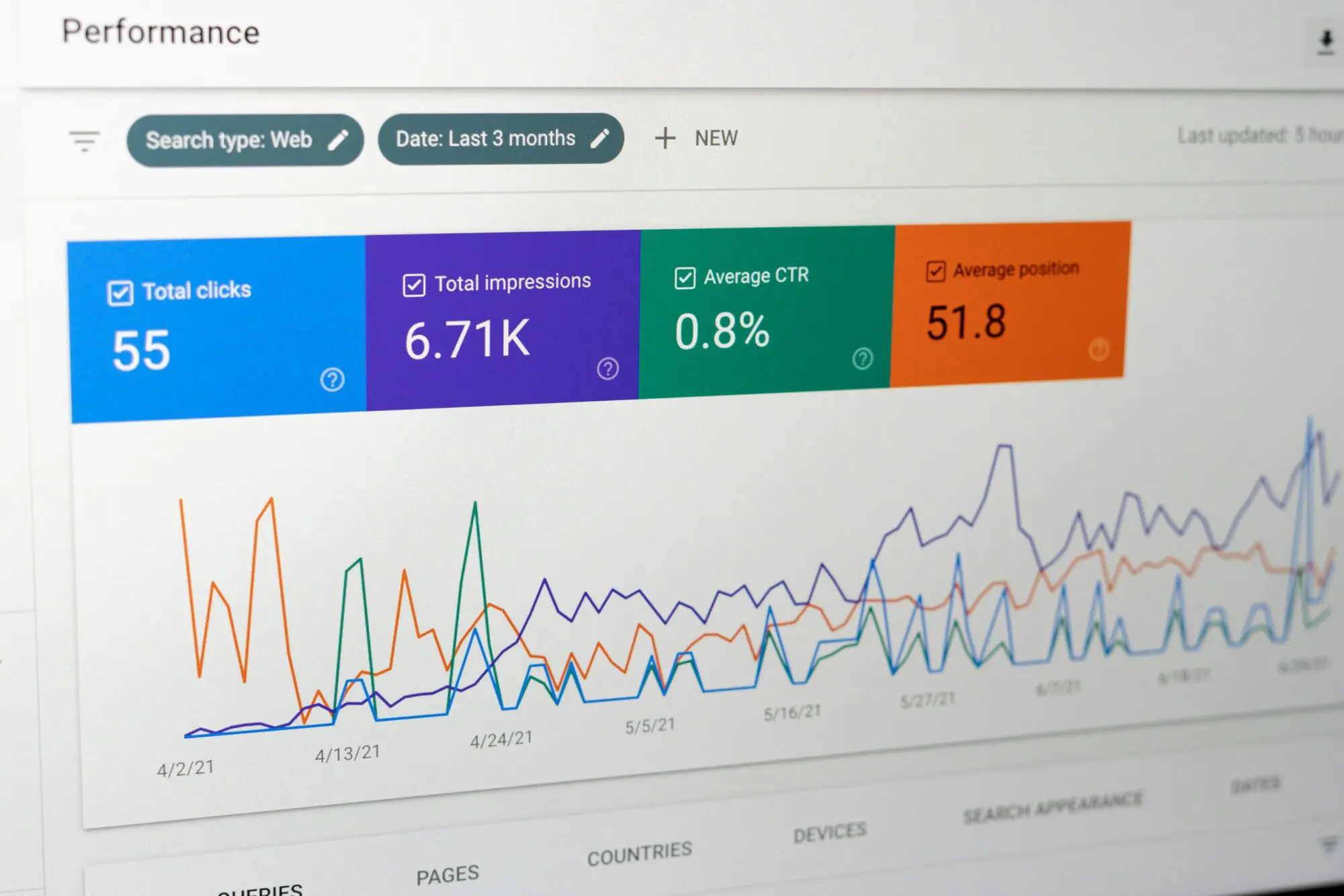
Rising traffic means nothing if enquiries stay flat, so we track the numbers that actually turn into leads, sales and revenue for your business.
What we map
During the first month of working together, we run a full brand immersion session. This is where we gain a deep understanding of your brand, positioning, offer, and commercial priorities.
From the immersion session, we define a clear target ICP. We identify who you want to attract through search, the problems they are trying to solve, how they make decisions, and what builds.
Once the audience is defined, we analyse how those people actually search.
The final step is embedding audience insight directly into the search strategy. The target ICP shapes how we approach keywords, content, page structure, and messaging.
Original data that gives a journalist a reason to publish. Insight, not opinion.
Coverage pointed at the pages that sell, so authority lands where it changes revenue.




Case studyMinga London

Minga London came to us to streamline technical and content SEO at the same time. We let the performance data decide what to fix first, and organic revenue rose 27%.
Read the case studyMore traffic is often a costly illusion. Impressions and clicks fill a report. They don’t keep the lights on.
Most keyword lists are built around what looks winnable, not around what your buyers want. That’s how a site ends up with traffic that never becomes pipeline.
We start with the audience. Who buys, what they weigh up, and the questions they ask before they’re ready to talk to anyone. That tells you which terms deserve a page and which ones are a distraction.
Then we build the reporting around those decisions, so you can see which segments are moving and what the work returned.
Why trust us with it
Most analytics setups we inherit are measuring the wrong thing confidently. Conversion events fire on page load rather than on submit, thank you pages are excluded, and organic gets credited to direct because people find you in search, leave, and come back later. The reporting looks healthy and the numbers are wrong, which is worse than having none.
So the first three weeks are audit and repair rather than dashboards. We check what is actually being collected, fix what is broken, then connect Search Console and your CRM so organic performance can be read as pipeline instead of sessions. Only then is a dashboard worth building.
We report losses as plainly as gains. If a quarter was flat, the report says so and explains what we think caused it. A data insights agency that only ever sends green arrows is choosing metrics that go up rather than metrics that matter, and you can usually tell because the numbers never tie back to revenue.





When your audience moves from AI answers to deeper research, we make sure your brand dominates the traditional results page.
Our Technical SEO expertise helps you maximise the reach of your website in organic search through improved crawling and indexation of high-quality content.
We build content around real questions and clear, authoritative answers, structured so AI models recognise, trust and recommend your brand.
Social Search makes your brand genuinely searchable and discoverable in the places modern audiences now turn to for answers, recommendations and inspiration.
Stories the press actually wants, and the links and brand mentions that follow, supporting SEO growth and long term brand value at the same time.
We analyse behaviour, remove friction and tighten your funnels so more visitors convert. Higher sales, higher ROI and a website that works as hard as your marketing.
Reporting
Our own industry-leading reporting suite tracks the whole strategy across Google and every major AI platform. You see where you’re moving, what’s driving it, and what we’re changing.

Demo data. Your report uses your prompts, your competitors and your numbers.
Understanding who you are targeting strengthens every part of your search presence. Search engines interpret relevance more clearly. Content performs better because it matches real intent. Visibility in the right contexts builds authority. Conversion improves because the right people arrive in the first place. Without this work, every other SEO effort has to work harder than it should.
This stage is for brands that want SEO to deliver outcomes, not just activity. It is suited to teams that are tired of traffic that does not convert, operate in competitive markets, and understand that sustainable growth starts with clarity rather than tactics.
No. This is not a theoretical exercise or a document that gets filed away. The audience work directly informs keyword targeting, content direction, page structure, and messaging. If it does not change how SEO is executed, it does not belong in this stage.
Because keywords without audience context are guesswork. Two people can search the same term with completely different intent. Without knowing who you want to attract and why, keyword targeting often leads to traffic that never converts. Audience clarity ensures keywords are chosen for relevance and commercial impact, not volume alone.
Most brands understand their customers from a sales or marketing perspective, but not from a search perspective. The way people describe problems, compare options, and signal intent in search often differs from internal language. This stage translates existing knowledge into something search engines and users actually respond to.
This work is usually completed during the first month of working together, alongside the brand immersion session. Building this foundation early prevents wasted effort and allows search performance to scale more efficiently. We can also conduct data audits and sessions throughout the ongoing SEO activity too.
Yes. B2B, B2C, ecommerce or service-led, performance comes down to being relevant to the right audience and being able to prove it. The specifics change a lot: an ecommerce site needs product feed and category data, a B2B site needs CRM pipeline. The principle does not change.
Once the audience is clearly defined, it becomes the foundation for everything that follows. Google Search, AI Search, Social Search, Digital PR, and conversion optimisation all perform more effectively because they are built around the same understanding of who you want to reach.
We scope every retainer to your site, so there’s no price list. Where data insights is the whole engagement rather than part of a wider SEO programme, the first month is usually weighted towards the audit and the tracking build, then settles into monthly analysis and reporting.
We’ll look at what you rank for, where competitors are winning instead, and what is worth fixing first. No charge, and the findings are yours either way.



Become the brand they find first™
©2026 Circulate Digital Limited. All rights reserved.